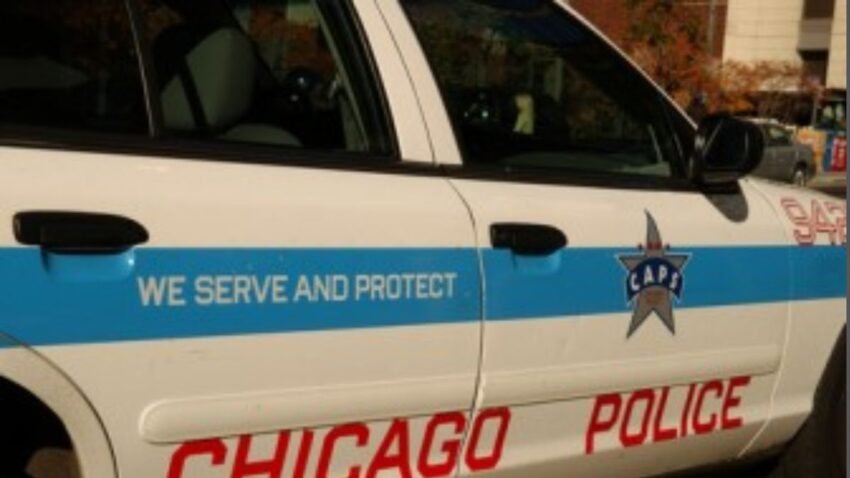
A federal judge in Illinois has cleared the way for a class action lawsuit accusing the Chicago Police Department of racial bias in its traffic stop practices.
The ruling allows Black and Latino drivers who say they were pulled over at disproportionately high rates for minor violations to move forward together as a group in court.
U.S. District Judge Mary M. Rowland of the Northern District of Illinois issued the certification order on Monday.
The case was brought by five named plaintiffs who claim the department ran a traffic enforcement program built around targets and quotas that pushed officers toward stopping more Black and Latino motorists than white ones.
What the Lawsuit Claims
According to the plaintiffs, the pattern went beyond the initial stop itself. They argue that these traffic stops, often triggered by minor infractions, led to frisks and vehicle searches far more often when the driver was Black or Latino compared to when the driver was white.
The suit contends this reflects a broader enforcement strategy rather than isolated incidents involving individual officers.
For a class action to proceed, plaintiffs must satisfy several legal requirements, including showing that the group is large enough to make individual lawsuits impractical, that the claims share common legal or factual questions, and that the named plaintiffs can adequately represent the interests of the class.
Judge Rowland found that these standards, including numerosity, typicality, and adequacy, were satisfied in this case.
City Did Not Contest Evidence
Notably, court documents indicate that the city did not dispute the statistical evidence the drivers presented showing the disparity in stop rates. That lack of pushback on the underlying data could shape how the case unfolds moving forward, since the central dispute may now shift toward legal responsibility and remedies rather than whether the disparities actually existed.
With certification granted, the case can proceed as a class action rather than requiring each affected driver to file a separate suit. This means the outcome, if the plaintiffs succeed, could apply broadly to similarly situated drivers rather than just the five individuals who originally filed the complaint.
The case adds to a long-running national conversation about racial disparities in policing and traffic enforcement, and it now heads toward further proceedings in the Northern District of Illinois as both sides prepare for the next phase of litigation.