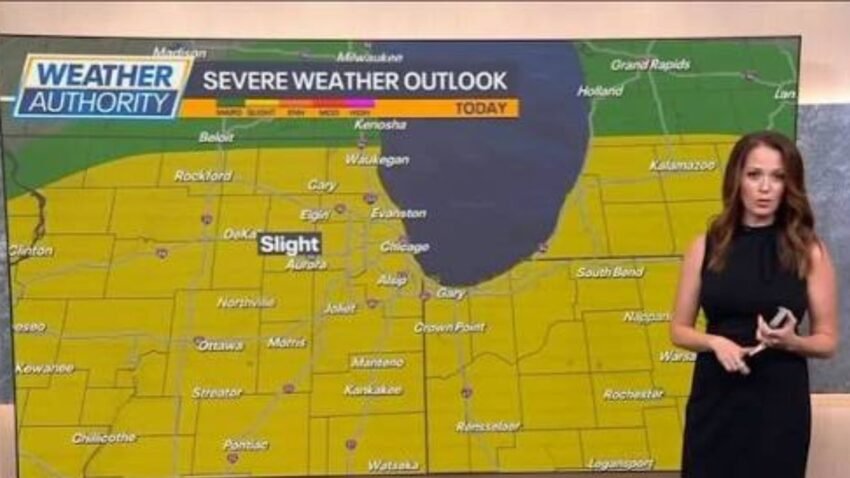
Chicago faces severe thunderstorms on August 10, 2026, with damaging winds, hail, flash flooding, and lightning expected across Cook and surrounding counties.
Chicago is bracing for another turbulent day of weather on Monday, August 10, 2026, as meteorologists warn of multiple rounds of severe thunderstorms.
The National Weather Service has issued watches and warnings across Cook, DuPage, Lake, McHenry, Kane, Will, and Kendall counties.
With damaging winds, hail, flash flooding, and dangerous lightning expected, residents are urged to prepare for rapidly changing conditions and remain alert throughout the day.
Forecast Overview
The forecast calls for storms to arrive in waves, beginning around midday and continuing into the evening and overnight hours.
The first round of thunderstorms is expected to develop during the early afternoon, bringing strong wind gusts and heavy rain. A second, more intense wave is likely later in the day, with the potential for hail and flash flooding.
Overnight, repeated downpours may saturate the ground, raising the risk of widespread flooding during the Tuesday morning commute. Temperatures are forecast to reach the mid‑80s, but humidity and storm activity will dominate the atmosphere.
Damaging Winds and Hail
One of the primary hazards highlighted in today’s forecast is the risk of damaging winds. Gusts of up to 60 miles per hour are possible, strong enough to down trees, damage roofs, and cause power outages.
Residents are advised to secure outdoor furniture, grills, and other loose items that could become projectiles in high winds. In addition to wind, forecasters warn of hail, with stones potentially reaching nickel size in stronger storm cells.
Hail can damage vehicles, break windows, and harm crops, adding another layer of concern for communities across the metro area.
Flooding Concerns
Flash flooding remains a significant threat as repeated rounds of storms move through the region. Rainfall rates of 1–2 inches per hour are possible, overwhelming drainage systems and leading to ponding on roads and viaducts.
Low‑lying areas, including parts of the Eisenhower Expressway and suburban streets in DuPage and Cook counties, are particularly vulnerable.
The National Weather Service has issued flood advisories and warned drivers not to attempt to cross flooded roadways. Even shallow water can disable vehicles or sweep them away, making travel hazardous during peak rainfall periods.
Travel and Safety Impacts
Severe weather is already affecting travel across the region. O’Hare International Airport issued a ground stop earlier today, with delays and cancellations expected to continue as storms intensify.
Roadways are likely to become hazardous, with standing water and reduced visibility disrupting traffic during the evening commute. Power outages are also possible, as strong winds and lightning strikes may damage electrical infrastructure.
Residents are advised to plan ahead, avoid unnecessary travel, and keep emergency supplies on hand in case of extended outages.
The Storm Prediction Center has placed Chicago under a slight risk of severe thunderstorms, with damaging winds as the primary hazard.
While hail and flooding are also concerns, forecasters note that the greatest danger lies in the potential for repeated storms to cause widespread damage and disruption.
Additional storms may develop tonight, raising the risk of flash flooding and hazardous travel conditions into Tuesday morning. Residents should remain vigilant and prepared for extended impacts.
Chicago’s severe weather forecast for August 10, 2026, underscores the city’s vulnerability to summer storms. With damaging winds, hail, flash flooding, and lightning all possible, residents must take precautions to protect themselves and their property.
The combination of multiple storm waves and saturated ground creates a dangerous environment that could disrupt travel, damage infrastructure, and threaten public safety.
By staying informed and prepared, Chicagoans can navigate the challenges of severe weather and minimize its impact on their daily lives.