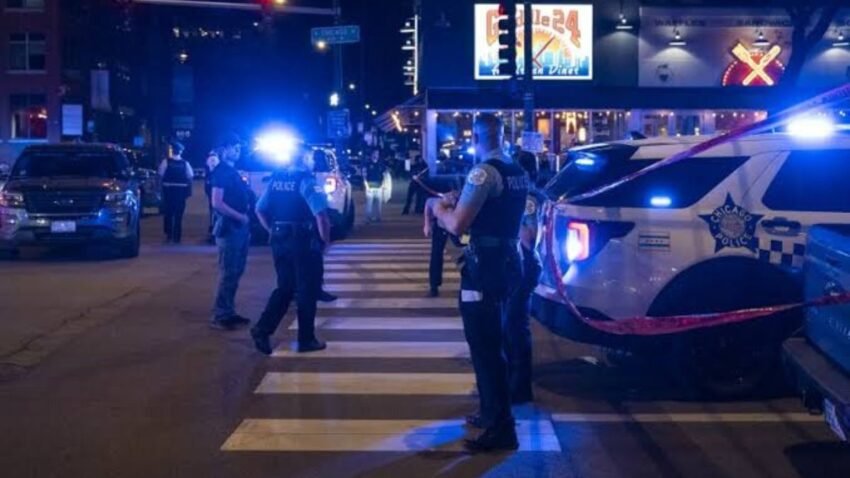
Chicago I‑55 teen takeover left 53 arrested, 3 shot, and cars vandalized, sparking curfew debate, parental accountability calls, and community concern over recurring youth violence in Hyde Park.
The Memorial Day weekend of 2026 in Chicago was marked by chaos and violence as hundreds of teenagers gathered near Hyde Park along East 55th Street and the I‑55 corridor in what has been described as a teen takeover.
The incident drew widespread attention not only for the scale of the gathering but also for the violence, vandalism, and arrests that followed.
This article provides a comprehensive account of the takeover, its impact on the community, the response from law enforcement and city officials, and the broader debate it has reignited about curfews, parental accountability, and youth engagement in Chicago.
The Incident
On the evening of May 26, 2026, large groups of teenagers converged near 57th Street Beach and East 55th Street, overwhelming police presence and alarming residents.
Witnesses reported cars being trampled, windshields smashed, and property vandalized.
The gathering quickly escalated into violence when gunfire erupted, leaving three young men between the ages of 18 and 19 injured. They were transported to the University of Chicago Medical Center and treated for non‑life‑threatening injuries.
The takeover was not an isolated event. Chicago has seen a series of similar gatherings in recent years, often organized through social media and resulting in property damage, violence, and mass arrests.
The Hyde Park takeover, however, stood out for its scale and the level of disruption it caused in a residential neighborhood.
Arrests and Charges
Chicago police arrested 53 individuals during the incident. Among them, 13 people including eight juveniles were charged with aggravated unlawful use of a weapon.
Twenty‑one individuals faced disorderly conduct charges, while seven were charged with reckless conduct. A 16‑year‑old girl was charged with aggravated battery of a peace officer.
Curfew violations were also a significant issue. Chicago’s curfew requires minors to be off the streets by 10 p.m., but many of those arrested were cited for being out past curfew.
Police emphasized that enforcing curfew laws is one way to prevent such gatherings from escalating into violence.
Residents of Hyde Park expressed fear and frustration. Many reported feeling unsafe in their own neighborhoods as cars were damaged and crowds spilled into residential areas.
Videos circulated online showing groups of teenagers jumping on vehicles and running through streets, further fueling public concern.
Community groups, including violence interrupters such as Chitown Crime Chasers, attempted to de‑escalate fights and provide aid to injured teens.
Their presence highlighted the role of grassroots organizations in addressing youth violence, though the scale of the takeover made it difficult to contain.
Police and City Leadership Response
Police Superintendent Larry Snelling condemned the violence and called for stronger parental involvement.
He emphasized that parents must take responsibility for their children’s actions, stating that the city cannot allow teenagers to harm each other, damage property, or terrorize neighborhoods.
Mayor Brandon Johnson, however, took a different stance. While acknowledging the seriousness of the incident, he opposed stricter curfews, arguing that punitive measures alone would not solve the problem.
Instead, he advocated for investment in safe spaces, mentorship programs, and community engagement initiatives to provide teenagers with alternatives to street gatherings.
The incident reignited debate within the Chicago City Council. Alderman Brian Hopkins, chair of the Public Safety Committee, pushed for earlier curfews and stronger enforcement tools for police.
He argued that without stricter measures, teen takeovers would continue to disrupt neighborhoods and endanger lives.
Mayor Johnson countered that curfews are not the solution, stressing that the city must focus on addressing the root causes of youth violence.
He pointed to the need for parental accountability ordinances that would hold parents responsible for their children’s actions. This divide reflects a broader tension in Chicago’s approach to public safety: balancing enforcement with community‑based solutions.
Risks and Trade‑Offs
Teen takeovers present multiple challenges for Chicago. Police often find themselves outnumbered, forced to walk alongside crowds rather than disperse them.
This limits their ability to prevent violence and property damage. Residents are left feeling vulnerable, while businesses suffer losses from vandalism.
At the same time, stricter enforcement measures risk alienating communities and exacerbating tensions between police and youth.
Advocates argue that without addressing systemic issues such as poverty, lack of recreational opportunities, and limited access to mentorship, teen takeovers will continue to occur.
Teen takeovers are not unique to Chicago, but the city has become a focal point for these events due to their frequency and intensity.
Social media plays a significant role in organizing gatherings, often making it difficult for police to anticipate and prepare.
The Hyde Park incident underscores the need for a multifaceted approach that combines enforcement, community engagement, and parental responsibility.
The Chicago I‑55 teen takeover of May 2026 was a stark reminder of the challenges the city faces in balancing public safety with youth engagement.
With 53 arrests, multiple felony charges, and three young men injured, the incident highlighted the risks posed by large, unregulated gatherings. It also reignited debate over curfews, parental accountability, and the role of community programs in preventing violence.
As Chicago moves forward, the question remains whether stricter enforcement or investment in youth initiatives will prove more effective. What is clear is that the city cannot afford to ignore the issue.
The Hyde Park takeover was not just a moment of chaos it was a call to action for leaders, parents, and communities to work together in addressing the root causes of youth violence and ensuring that Chicago’s streets remain safe for all.